
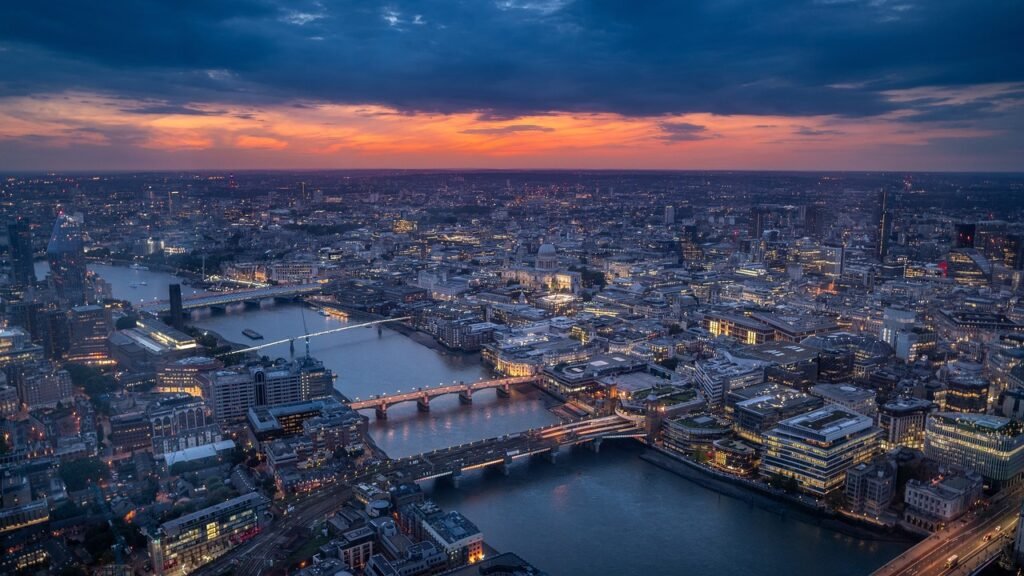
London has a reputation for being one of Europe’s most expensive cities, and for hotels specifically, that reputation is fair — but it’s not the whole story. With the right approach to where and how you book, and a itinerary built around the city’s genuinely excellent free attractions, a trip to London can cost far less than most people assume. Here’s how to do both well.
Pick the Right Budget Chain, Not Just the Cheapest Listing
London’s budget hotel market is dominated by a handful of reliable chains, and knowing their differences saves both money and disappointment. Premier Inn is generally considered the most consistent of the bunch — comfortable beds, predictable quality across locations, and dozens of properties scattered throughout the city, including several in genuinely central spots. Travelodge usually undercuts Premier Inn on price, with more basic rooms that are still clean and functional; it’s a solid choice if you’re mainly using the room to sleep. easyHotel and ibis Budget go a step further on price by shrinking the room itself — some easyHotel rooms are famously compact — which is a fair trade if your budget is tight and you don’t plan on spending much time indoors.
If you’re happy sharing space to save more, London’s hostel scene has improved dramatically. Chains like Wombat’s and Generator offer private rooms as well as dorms, often in buildings with genuine character, at prices that beat even the cheapest hotel chains.
Choose Your Neighborhood Before You Choose Your Hotel
Price in London swings enormously by location, and it’s worth understanding the trade-off before you book. Staying in Zone 1 (the historic center) means walking to major sights, but you’ll pay a premium for it. Moving out to Zone 2 — areas like Earl’s Court, Hammersmith, or parts of East London — typically cuts costs substantially while adding only ten to twenty minutes of travel time on the Underground.
A useful rule of thumb: check how close a hotel is to a Tube station, not just how close it is to the city center. A budget hotel two minutes from a well-connected station in Zone 2 is often more convenient in practice than a pricier one in Zone 1 that requires a long walk from the nearest stop.
Booking Tactics That Actually Lower the Price
Premier Inn and similar chains use dynamic pricing, meaning rates rise as a date fills up and as demand increases — so booking early for popular periods (weekends, summer, major events) genuinely pays off. On the flip side, watch for last-minute drops on midweek dates when business travel is light, particularly outside of conference season.
Always compare the hotel’s own website against third-party booking platforms before confirming — budget chains frequently offer their best rates or added perks like free cancellation directly, since they’d rather not pay a commission to a booking site. And double-check what’s actually included: some budget properties charge separately for Wi-Fi, luggage storage, or a late checkout, which can turn an appealing headline price into a less appealing final bill.
Free Things to Do That Rival Any Paid Attraction
This is where London genuinely stands out. Several of its very best sights don’t just have a free option — they’re free by policy, every single day.
- The British Museum — Two million years of human history, including the Rosetta Stone. During peak season, it’s worth booking a free timed-entry slot online to skip long queues.
- The National Gallery — A world-class collection facing Trafalgar Square, easy to visit in an hour or spend a full afternoon in.
- Tate Modern — Contemporary and modern art in a converted power station, with some of the best free river views in the city from its terrace.
- The Natural History Museum and Science Museum — Both sit a short walk apart in South Kensington, making them easy to pair in a single day.
- The National Portrait Gallery — Recently refreshed, and a manageable size if you don’t want a marathon museum day.
Beyond museums, London’s parks cost nothing and deliver some of its best moments: Hyde Park and Kensington Gardens for a long walk, Primrose Hill for a skyline view that rivals any paid observation deck, and Greenwich Park for both green space and the free view over the Royal Observatory grounds. Wandering the South Bank from Westminster Bridge to Tower Bridge takes you past most of London’s icons without paying for a single one of them, and browsing markets like Borough Market or Columbia Road (best on Sunday mornings) costs nothing unless you choose to buy something.
Putting It Together
The most cost-effective way to see London isn’t necessarily the cheapest hotel you can find — it’s the hotel with the best transport connection to a city where the top attractions are already free. Book a well-located budget chain slightly outside Zone 1, lean on the Tube to close the gap, and build your itinerary around museums and parks that cost nothing to enter. Done well, a London trip can be genuinely memorable without being genuinely expensive.